







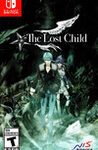
The Lost Child for Switch takes players on a supernatural journey through a dark and mysterious world. As occult journalist Hayato Ibuki, players investigate a series of puzzling suicides in Tokyo, leading them to encounter a peculiar girl who gifts them a mystical device. This device allows Hayato to capture celestial and arcane creatures, thrusting him into a realm beyond our own.
One of the standout aspects of The Lost Child is its nod to classic mythology. With over 100 astrals to capture, each inspired by myths and legends, players will feel a sense of nostalgia as they encounter familiar creatures from ancient tales. Additionally, each astral has three unique forms to progress through, adding depth and variety to the gameplay experience.
Another notable feature is the wealth of knowledge available within the game. With more than 250 skills to learn and distribute among your party of captured astrals, players are given the freedom to strategize and customize their team to suit their playstyle. This level of customization adds a layer of depth and engagement to the gameplay.
The game also offers challenging dungeons known as Layers, with up to 99 floors of deadly dangers to conquer. This offers a satisfying level of difficulty for those seeking a retro-inspired gaming experience. The sense of accomplishment that comes from progressing through these treacherous layers will invoke feelings reminiscent of classic games.
However, despite these positive aspects, The Lost Child falls short in certain areas. The gameplay can feel repetitive and lacks innovation, failing to offer anything truly groundbreaking or unique. The visuals, while serviceable, lack the polish and charm of other retro-inspired titles, leaving room for improvement.
Overall, The Lost Child for Switch is a decent addition to the retro gaming library, offering a nostalgic journey through mythology and challenging dungeons. However, it may not captivate players who are looking for a truly standout and innovative gaming experience. With its mix of appreciation and critique, this review aims to provide honest insight for retro gaming enthusiasts.